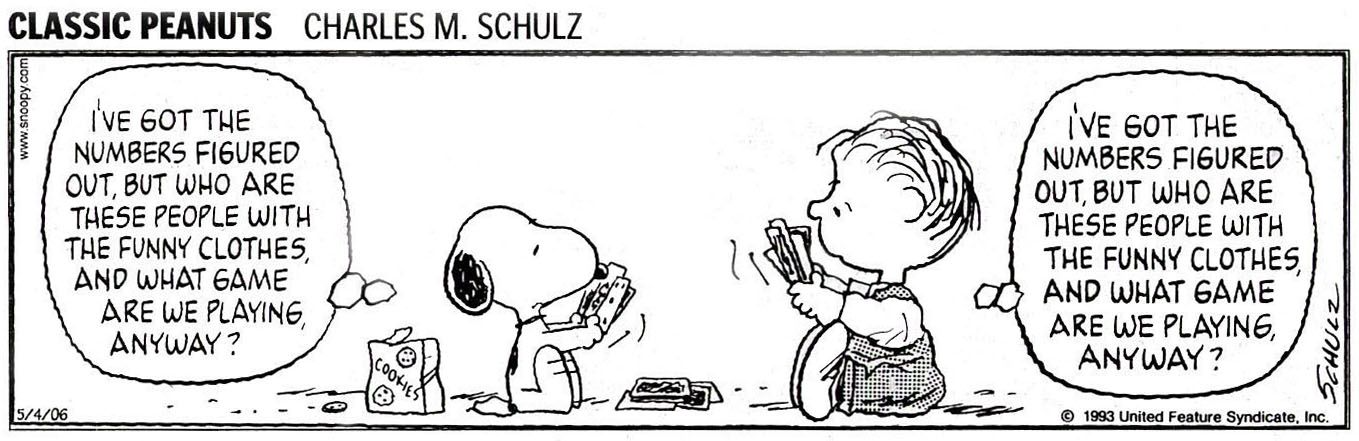
Most Teams Don't Know What Game They're Playing
Over half of 200+ teams surveyed by McKinsey couldn't agree on what type of team they were. Think about that - teams spending months planning strategy, but they fundamentally disagree about how they actually work together.
This uncertainty about "which sport we're playing" fundamentally undermines planning, coordination, and performance. If your team doesn't have clarity about its operating model, no amount of planning or process will help you succeed.

Three Team Archetypes:
Based on research with over 200 teams, McKinsey identified three distinct team archetypes, differentiated by their levels of outcome interdependence and task interdependence:
2. Relay Team (High Task Interdependence)
Structure: Each runner completes their segment and hands off the baton to the next
Outcome Interdependence: Moderate
Overall performance is a combined effort, but each runner's individual performance in their segment is crucial to the whole.
Task Interdependence: High
Each runner must complete their segment and smoothly hand off the baton. Precise timing and coordination are essential.
Performance Drivers:
- Trust
- Communication
- Innovative thinking
- Decision making
- Commitment (differentiator)
- Goals (differentiator)
- Recognition (differentiator)
Best suited for: Sequential workflows, project handoffs, processes where each stage depends on the previous one being completed well.
Example of those include: Customer Onboarding, were one team passes the account to another, Software Development in some forms where one module is passed to another developer, very common with VC/PE/M&A where transaction is passed over to another person.
3. Rowing Team (High Interdependence)
Structure: All rowers working in perfect synchronization
Outcome Interdependence: High
Success depends entirely on the coordinated effort of all rowers working in perfect harmony.
Task Interdependence: High
Each rower must synchronize their strokes precisely with others to maintain balance and speed.
Performance Drivers:
- Trust
- Communication
- Innovative thinking
- Decision making
- Belonging (differentiator)
- Role definition (differentiator)
Best suited for: Complex interdependent work, crisis situations, highly collaborative problem-solving requiring constant real-time coordination.
Example of those include: Startup Founding team, we’re in this together working on all the projects as one. Crisis response team, where shit hits the fan couple of people respond to the mess.

The Drucker Framework: A Complementary Lens
While McKinsey's research is recent, management pioneer Peter Drucker identified similar patterns back in the 1990s in his Wall Street Journal article "There's Three Kinds of Teams." His framework offers another powerful way to understand team dynamics:
Baseball Team
Characteristics:
- Rules are known and clear
- Each player has specialized positions
- Roles rarely interchange
- Stable, predictable environment
When it works: When you deeply understand the game you're playing, the situation is stable, and specialization creates efficiency.
Example: Sales doesn't build product; engineers don't handle customer support. Clear functional boundaries.
Football Team
Characteristics:
- Specialized positions with defined roles
- Roles can flex and adapt based on game flow
- Coordinated by a coach/leader
- Clear shared objective
When it works: When you have a clear goal, need coordinated action, and benefit from one person orchestrating the overall strategy while allowing tactical flexibility.
Example: Sales occasionally solves customer problems that belong to support; teams flex to meet urgent needs while maintaining their primary roles.
Tennis Doubles
Characteristics:
- Positions constantly shift based on where the ball is
- Continuous communication required
- Deep mutual understanding essential
- Small team size (5-7 people maximum)
When it works: During crisis, rapid growth, or when navigating high uncertainty. Requires teams that train together, understand each other deeply, and can adapt fluidly.
Example: Leadership teams navigating major transformations, startup founding teams, crisis response teams.
The Critical Insight: You Can't Play Multiple Sports at Once
The fundamental mistake we see is that organizations try to operate as multiple types simultaneously - mixing metaphors and models. This creates:
- Conflicting expectations about collaboration
- Confusion about decision-making authority
- Frustration from misaligned working styles
- Wasted effort from coordination mismatches
The solution: Explicitly choose and communicate which game you're playing, then align your practices, processes, and expectations accordingly. Choosing a sport metaphor that resonates with your team is a great starting point for alignment.
How to Apply This to Your Organization?

Step 1: Diagnose Your Current State
Present the archetypes and check individually with your team: "Which archetype best describes how we actually operate?"
Questions to ask your team:
Connect the results: Does everyone have the same answer? Where do our perspectives diverge?
Step 2: Choose Your Archetype Intentionally
With your team, align on:
- What does the work actually require?
- What level of interdependence is necessary for success?
- What size and structure does this imply?
Step 3: Align Your Practices
Different archetypes require different approaches to:
- Meeting cadence and structure
- Decision-making processes
- Performance evaluation
- Communication norms
- Planning and coordination
For example: A Cycling Team might meet monthly for updates and annual planning, while a Rowing Team needs daily touchpoints and real-time communication channels. A Relay Team's decision-making focuses on handoff protocols and clear accountability, while a Rowing Team needs consensus-building practices and synchronized execution.
Step 4: Calibrate and Make It Explicit
Don't assume everyone understands which sport you're playing. Make it explicit, discuss it, and revisit it as conditions change. Come back to this discussion after a week to double-check alignment and surface any lingering confusion.
About This Framework:
This resource synthesizes research from McKinsey & Company's team effectiveness study (200+ teams) with Peter Drucker's article "There's Three Kinds of Teams", enhanced with our insights about leadership team dynamics from projects we hosted at Leave a Mark.
Understanding which "sport" your team is playing is foundational to effective collaboration, planning, and performance.
Key Takeaways:
- Over 50% of teams lack clarity about their operating model - this directly undermines performance
- You can't play multiple sports simultaneously - choose one model from either framework and commit to it
- Misalignment is expensive - teams waste months in coordination overhead, frustration, and missed opportunities
- The right model depends on context - outcome interdependence, task interdependence, team size, and environmental stability all matter
Getting this wrong is expensive - misaligned teams waste months in coordination overhead, frustration, and missed opportunities.
Untitled if you want to explore which archetype fits your team? Leave a Mark specializes in helping leadership teams gain strategic clarity and align their operating models with their actual work.

Chris Kobylecki
Cofounder of Leave a Mark
Chris builds magical experiences that help people to excel.
He focuses on strategy and team development. Applying his decade long experience of Venture Capital & Private Equity Firms
Sources: